.png)
10 Conditions That Can Benefit from Compounded Medications

Modern medicine has made incredible advances, but commercially manufactured medications do not always meet every patient’s unique needs. Dosage limitations, ingredient sensitivities, unavailable formulations, and difficulty swallowing can make standard prescriptions ineffective or uncomfortable. That’s where compounded medications offer a powerful solution.
What Are Compounded Medications?
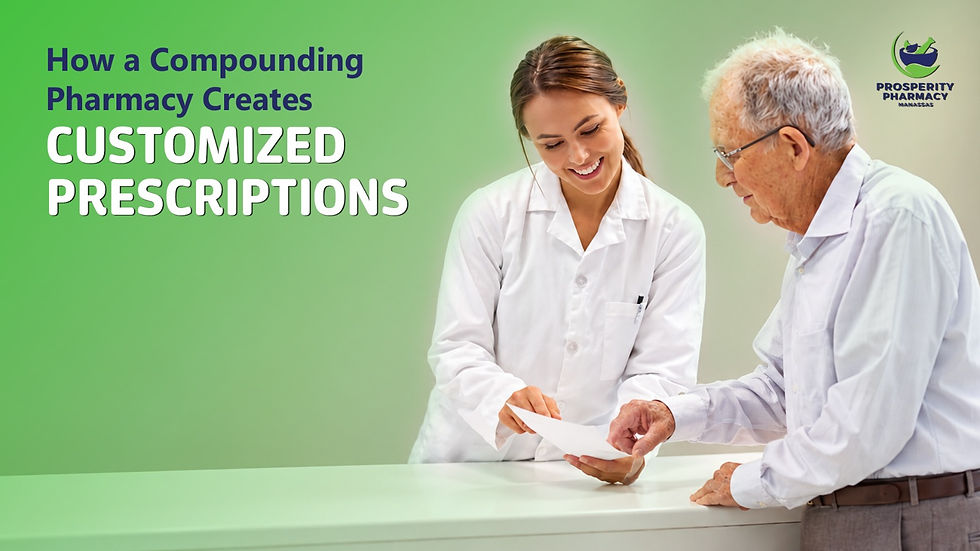
Compounded medications are custom-prepared prescriptions made by a licensed compounding pharmacist to meet the exact needs of an individual patient. These medications may involve:
Customized strengths and dosages
Alternative dosage forms (liquids, creams, gels, lozenges, suppositories, capsules)
Removal of allergens, dyes, or preservatives
Flavoring for improved taste
A combination of multiple medications into one formula
Compounding is especially valuable when commercial drugs are unavailable, discontinued, poorly tolerated, or ineffective.
Know more about: Compounding pharmacy
1. Hormonal Imbalances & Hormone Replacement Therapy (HRT)
Hormonal conditions such as menopause, perimenopause, andropause, thyroid disorders, and adrenal fatigue often require precise dosing that commercial products cannot provide.
Compounded medications allow:
Bioidentical hormone replacement therapy (BHRT)
Customized estrogen, progesterone, testosterone, and thyroid formulations
Alternative delivery methods like creams, troches, capsules, and sublingual drops
2. Chronic Pain & Inflammation
Patients suffering from arthritis, neuropathy, fibromyalgia, joint pain, or post-surgical discomfort often benefit from compounded pain management medications.
Compounded pain creams and gels may include:
Local anesthetics
Anti-inflammatory agents
Muscle relaxants
Nerve pain medications
These topical treatments deliver medication directly to the affected area, minimizing systemic side effects.
3. Dermatological Conditions (Skin Disorders)
Skin conditions often require specialized formulations not available commercially. Compounding helps treat:
Acne
Eczema
Psoriasis
Rosacea
Hyperpigmentation
Fungal infections
Compounded dermatology medications can combine multiple active ingredients and remove irritating preservatives or fragrances.
4. Pediatric Conditions
Children frequently struggle with standard medications due to taste, swallowing difficulty, allergies, or incorrect dosage strengths. Pediatric compounding can provide:
Flavored liquid suspensions
Chewables and gummies
Allergy-free formulations
Precise weight-based dosing
5. Veterinary & Pet Medications
Pets often refuse pills or require non-standard dosages that commercial veterinary drugs don’t provide.
Compounded veterinary medications offer:
Flavored liquids and treats
Transdermal gels for cats and dogs
Customized dosages by weight and species
6. Thyroid Disorders
Patients with hypothyroidism or hyperthyroidism sometimes need customized thyroid medications when commercial products cause side effects or inconsistent results.
Compounding can provide:
Customized T3/T4 combinations
Dye-free or preservative-free formulations
Alternative dosage forms for absorption issues
7. Gastrointestinal Conditions
Patients with digestive disorders often have difficulty tolerating standard oral medications. Compounding benefits conditions such as:
Acid reflux (GERD)
Ulcerative colitis
Crohn’s disease
Irritable bowel syndrome (IBS)
Nausea and vomiting
Customized suppositories, suspensions, and flavor-masked liquids improve absorption and comfort.
8. Allergies & Sensitivities
Many patients are sensitive to dyes, gluten, lactose, preservatives, or artificial sweeteners found in mass-produced medications. Compounding allows pharmacists to:
Remove allergens and irritants
Prepare preservative-free medications
Create hypoallergenic formulas
This is especially important for pediatric, geriatric, and immunocompromised patients.
9. Women’s Health Conditions
Women’s health often requires specialized hormone and gynecological treatments.
Compounding helps manage:
Menopause and perimenopause symptoms
Vaginal dryness
Pelvic pain
Fertility support
Endometriosis
Customized vaginal creams, suppositories, and hormone therapies provide targeted relief.
10. Oral Health & Dental Conditions
Dentists frequently prescribe compounded medications for oral care and pain management. Common uses include:
Oral rinses for mouth sores and ulcers
Pain gels after dental surgery
Dry mouth treatments
Periodontal therapies
Compounding allows precise formulations for sensitive oral tissues.
Why Choose Compounded Medications?
Compounded medications provide unique advantages:
1. Personalized Treatment - Every prescription is tailored specifically to the patient’s condition, age, weight, allergies, and preferences.
2. Improved Medication Adherence - Better taste, easier forms, and reduced side effects lead to better compliance.
3. Fewer Side Effects - Allergens, dyes, and unnecessary fillers can be removed.
4. Better Treatment Outcomes - Precise dosing and targeted delivery improve effectiveness.
Conclusion
Compounded medications play a critical role in treating patients who need more than standard prescriptions can offer. Whether managing hormones, chronic pain, skin conditions, pediatric needs, or allergies, compounding provides safer, more effective, and more comfortable treatment options.
At Prosperity Pharmacy, we believe medicine should be made for the patient, not the other way around. Contact us today!

Comments